How Limited-Time Offers Tap Into Cognitive Biases Among UK Online Casino Players
Written by Katja Jung · Aug 23, 2026
How Limited-Time Offers Tap Into Cognitive Biases Among UK Online Casino Players
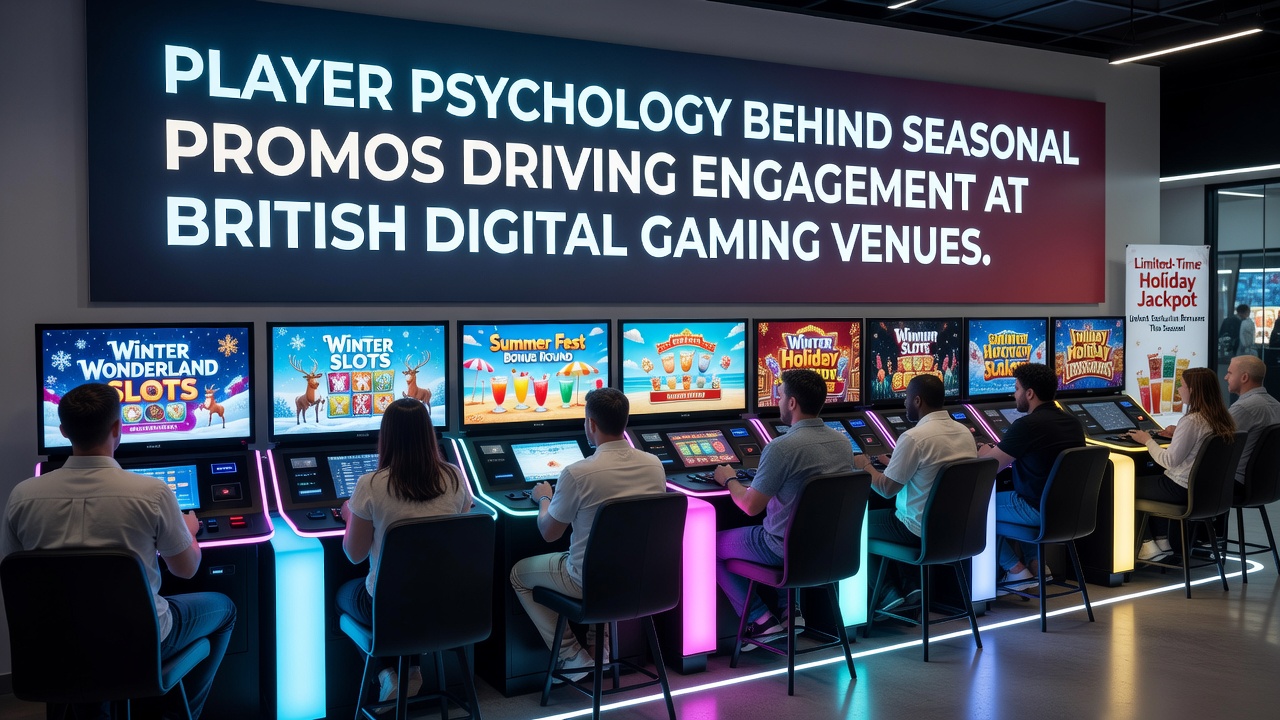
Seasonal promotions at British digital gaming venues rely on well-documented psychological mechanisms that shape player decisions throughout the year, with data showing consistent spikes in activity during holiday windows. Researchers at institutions across multiple countries have tracked how scarcity cues, reciprocity norms, and nostalgia triggers combine to increase session lengths and deposit frequencies when operators roll out themed offers tied to Christmas, summer events, or major sporting calendars.
Core Psychological Drivers Behind Promo Effectiveness
Studies from the University of Sydney's gambling research unit indicate that players respond strongly to time-limited rewards because these activate loss-aversion pathways in the brain, prompting quicker decisions to claim bonuses before they expire. The same work highlights how operators structure rewards around reciprocity, giving players free spins or deposit matches that create a sense of obligation to continue playing and thereby extend engagement cycles. Observers note similar patterns in Canadian data from the Centre for Addiction and Mental Health, where seasonal framing around festive periods amplified participation rates by aligning offers with existing cultural rituals around gift-giving and celebration.
Another layer involves social proof elements embedded in leaderboards and shared win celebrations that accompany many holiday campaigns. When participants see others claiming prizes in real time, the visibility reinforces the perception that missing the promotion carries a tangible cost. Figures from European academic reviews show these combined tactics produce measurable lifts in daily active users, particularly among mid-frequency players who already maintain accounts but increase activity when seasonal triggers appear.
Seasonal Timing and Emotional Resonance
British venues time campaigns around culturally loaded dates because nostalgia and anticipation heighten emotional investment. Summer festival-linked bonuses, for instance, pair with outdoor imagery and extended play windows that mirror the longer daylight hours, while winter offers lean on warmth and community themes. Data compiled through 2025 into August 2026 reveals repeated surges in remote gaming volumes during these windows, with average session duration rising as players chase accumulating rewards that reset on set schedules.
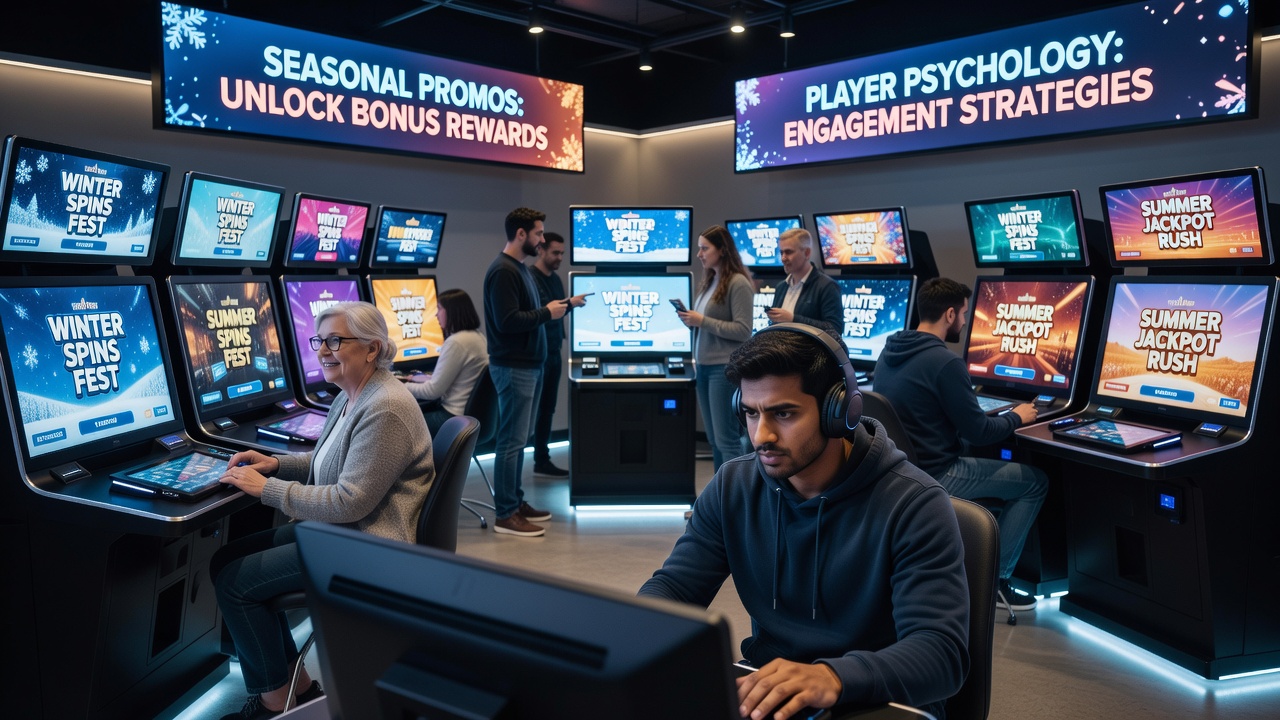
One analysis of platform telemetry across multiple operators found that promotions framed around "12 days of bonuses" or similar countdown mechanics kept users returning daily, a pattern researchers link to variable reward schedules that maintain interest through uncertainty. These approaches avoid static rewards and instead layer escalating benefits that reward consistent logins, mirroring techniques long studied in behavioral economics.
Engagement Metrics and Cross-Regional Comparisons
Platform data examined by analysts at the American Gaming Association reveals parallel trends in markets with comparable regulatory environments, where holiday-timed incentives correlate with higher retention among players who receive personalized notifications. In the UK context, the same mechanics appear to function through mobile push alerts and email sequences that remind users of remaining days in a promotion window. Those who've examined aggregated telemetry note that players who engage with one seasonal offer show elevated likelihood of participating in the next cycle, creating compounding effects across the calendar year.
Academic reviews published in international journals further demonstrate that framing bonuses around scarcity, whether through limited quantities of high-value rewards or strict expiry dates, reliably shortens the decision window between seeing an offer and completing a deposit. This effect holds across age groups but registers strongest among users already familiar with the platform interface.
Conclusion
Seasonal promotions at British digital gaming venues operate through established psychological channels that researchers have quantified across multiple jurisdictions. Scarcity, reciprocity, nostalgia, and social proof combine to drive repeated visits and sustained play during defined campaign periods. Data through August 2026 continues to show these patterns producing measurable activity increases, with operators refining delivery methods based on ongoing behavioral tracking. The mechanisms remain consistent even as platforms introduce new themes and reward structures tied to upcoming cultural moments.