How Real-Time Betting Features Have Developed in International Tournaments for UK Audiences
Written by Iris Baumann · Aug 27, 2026
How Real-Time Betting Features Have Developed in International Tournaments for UK Audiences
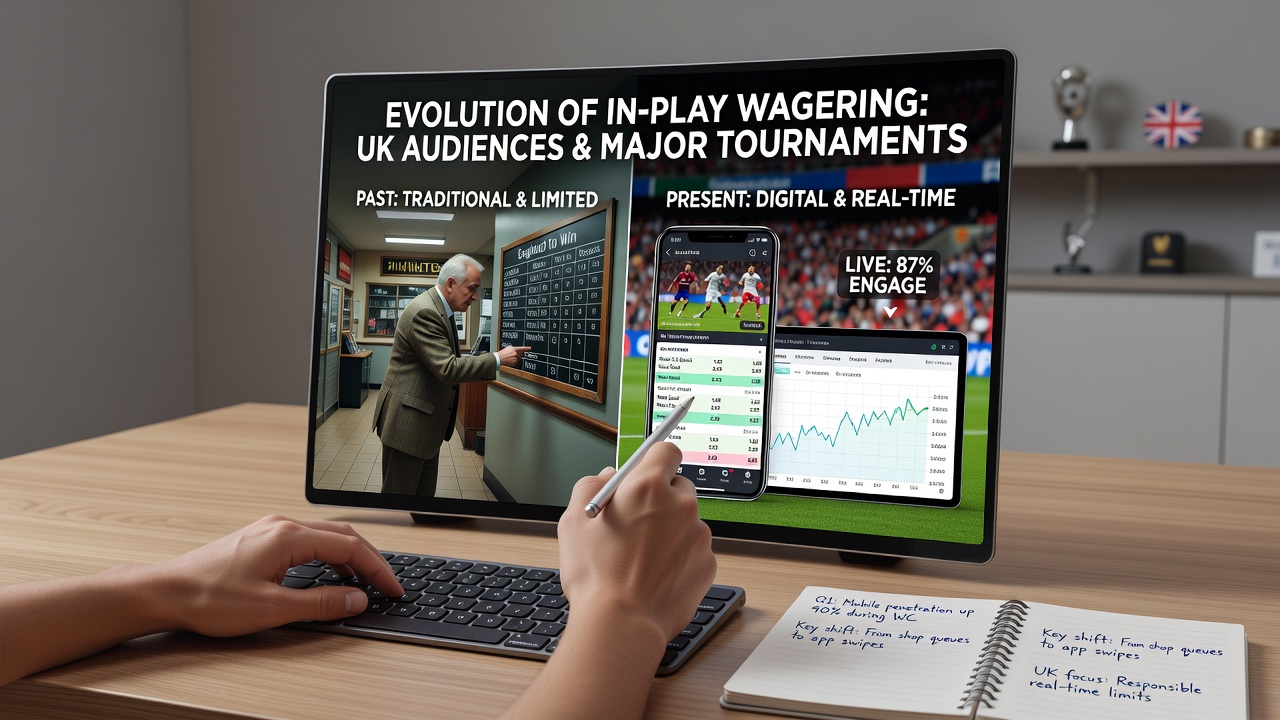
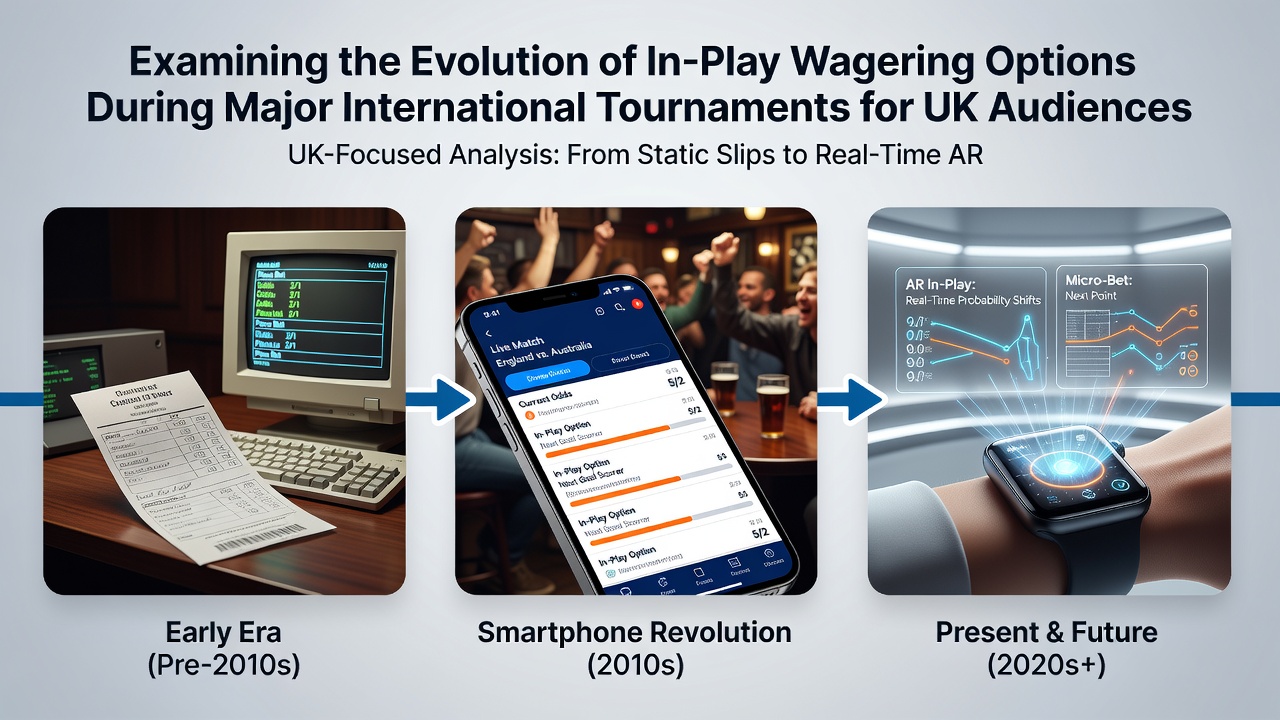
Real-time wagering options have expanded steadily since the early 2000s when basic live odds first appeared on major events such as the FIFA World Cup and the Olympic Games, and observers note that UK audiences gained access to these markets through operators who integrated streaming data feeds with mobile platforms. Data from industry reports indicate that the volume of in-play bets rose from roughly 20 percent of total sports wagers in 2010 to more than 70 percent by 2024, while the range of available markets grew from simple match winners and totals to player-specific props, corner counts, and minute-by-minute outcomes.
Early Foundations and Technological Shifts
Initial live betting relied on manual odds updates delivered through desktop sites, yet advances in data transmission and smartphone penetration allowed operators to refresh prices every few seconds during high-profile matches, and researchers at institutions tracking European gambling patterns found that this speed increase coincided with a measurable rise in session lengths among participants who followed multiple events simultaneously. By the time the 2018 World Cup reached its knockout stages, many platforms already offered cash-out functions that let users lock in partial returns before final results were known, while integration with official match data providers reduced delays that once plagued slower connections.
Expansion During Recent Global Events
The UEFA European Championship in 2021 and the 2022 FIFA World Cup demonstrated further diversification when operators introduced micro-markets such as next-team-to-score within a five-minute window and individual player card counts, and figures released by the Canadian Gaming Association reveal that similar product expansions occurred across North American sportsbooks during overlapping international calendars. UK audiences encountered these features through apps that combined live video with interactive odds panels, allowing selections to be placed without leaving the stream, while additional tools like bet builders enabled custom combinations of multiple live variables in a single wager.
During August 2026, preparations for the FIFA World Cup hosted across North American venues are expected to introduce enhanced latency reductions and new statistical overlays that draw on optical tracking systems already used by professional leagues, and those who monitor global betting trends anticipate that these upgrades will reach UK platforms ahead of the opening matches.
Regulatory Context and Market Adaptation
Regulators outside the United Kingdom, including those operating under the Australian Communications and Media Authority framework, have documented how real-time wagering requires stricter responsible gambling prompts compared with pre-match activity, and studies published by the University of Sydney's gambling research unit show that session-limit tools became standard on platforms serving international audiences after 2023. Operators adjusted their offerings to meet these standards by embedding spending trackers directly into live interfaces, while maintaining the variety of markets that audiences had come to expect during extended tournament schedules.
Future Directions and Audience Engagement
Emerging technologies such as augmented reality overlays and artificial intelligence-driven probability models are now appearing in test environments ahead of the 2026 tournament cycle, and data collected by the European Gaming and Betting Association indicate that early adopters among UK users have shown higher engagement rates when these tools provide instant contextual statistics alongside odds. Partnerships between rights holders and betting technology providers continue to refine data latency, which in turn supports the addition of niche markets such as set-piece outcomes and defensive metrics that previously lacked sufficient real-time accuracy.
Conclusion
The progression of in-play wagering during major international tournaments reflects ongoing alignment between technological capability, audience demand, and regulatory oversight across multiple jurisdictions, and continued refinement of these features through 2026 and beyond will determine how UK participants interact with live markets during future global competitions.